
NYC Running Culture: How Run Clubs Are Redefining Community Wellness
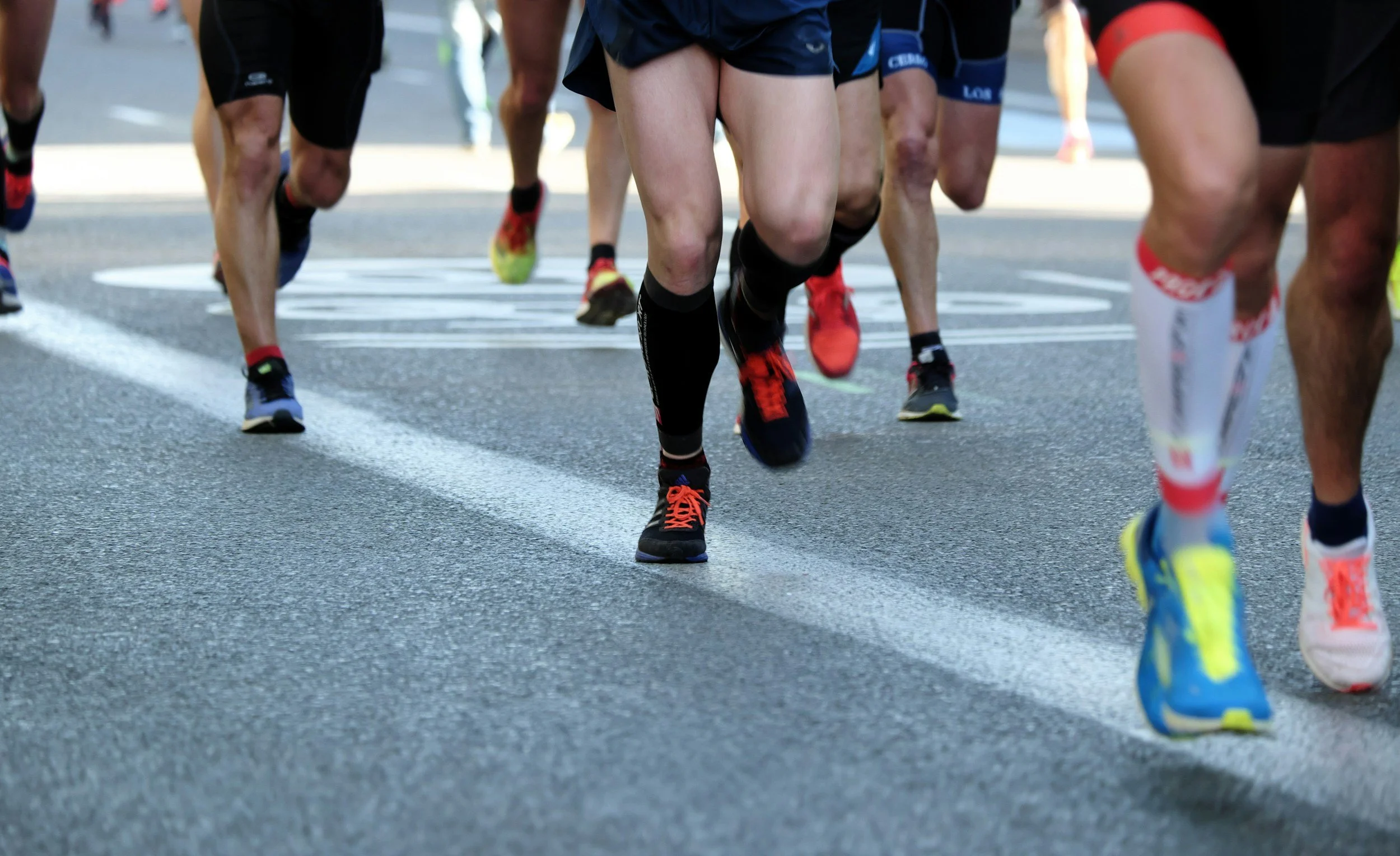
Image Provided by Squarespace Free Images
Running has traditionally been viewed as an individual activity. You lace up your shoes, put on your headphones, choose a route, and head out the door. But across New York City, running is increasingly becoming something people do together.
From neighborhood crews to social running clubs, group runs have become a way for New Yorkers to move their bodies while also meeting people, exploring their neighborhoods, and creating a sense of community. New York Road Runners maintains a directory of running clubs throughout the city, with groups ranging from social clubs to more competitive teams.
The growth of run clubs reflects something bigger happening within the wellness space. People are looking for ways to take care of themselves that feel less isolated and more connected. Wellness is no longer just about what we do for our individual health. Increasingly, it is also about the people we surround ourselves with.
The Rise of Running as a Social Experience
There is a certain irony to running in a city as crowded as New York. Millions of people are constantly moving around you, yet city life can sometimes feel surprisingly isolating. Run clubs offer a way to turn that constant movement into an opportunity for connection.
Instead of heading out for a run alone, members meet at a designated location, run together, and often spend time socializing afterward. The running itself becomes only one part of the experience.
NYC has a particularly strong environment for this type of community. With parks, waterfront paths, neighborhood streets, and countless routes throughout the five boroughs, runners have plenty of places to gather and explore. There are also running groups built around different paces, neighborhoods, experience levels, and goals, making the community accessible to more than just serious athletes.
For many people, joining a run club can be an easier way to meet others than traditional social settings. You already have something in common with everyone around you, and the activity gives the group a natural reason to come together. The run gives people a reason to show up, but the relationships they build can be what keeps them coming back.
How Run Clubs Are Redefining Wellness
The rise of run clubs represents more than a trend in fitness. It reflects a broader change in how people are approaching wellness.
For years, wellness has often been presented as an individual pursuit. We are encouraged to exercise, meditate, eat well, take breaks, and create routines that support our personal well-being. These practices are important, but wellness can also be deeply connected to our relationships and surroundings. Run clubs bring those two sides together.
This social element can also make healthy habits feel more sustainable. It can be easier to stay committed to a routine when other people are expecting to see you, when you enjoy the environment, or when the activity has become something you look forward to.
There is also something uniquely valuable about experiencing wellness outside of traditional wellness settings. You do not need to be inside a gym or studio to participate in a wellness community. A park, sidewalk, coffee shop, or neighborhood meeting point can become a place where people come together and prioritize their well-being.
And you do not necessarily have to be an experienced runner to benefit. The growing variety of running communities means there are opportunities for beginners, casual runners, experienced athletes, and everyone in between.
What Wellness Professionals Can Learn From Run Clubs
The popularity of run clubs offers an interesting lesson for wellness professionals: people are looking for experiences, not just services.
Someone may visit a wellness professional for a specific treatment, class, or service, but their overall experience can extend far beyond what happens during an appointment. The environment, relationships, and sense of community surrounding that experience can influence how connected a client feels to a business.
Run clubs understand this well. The activity is important, but so is everything surrounding it. The meeting point, the people, the conversations, and the feeling of returning to a familiar community all contribute to the experience.
For a fitness professional, that might mean creating group classes or hosting community events. For a massage therapist or bodywork practitioner, it could mean creating a calming environment where clients feel comfortable returning. For a skincare professional, it could mean building relationships that make appointments feel personal rather than purely transactional.
This is particularly important for independent wellness professionals who are building their own brands. A physical studio is more than simply a place to conduct appointments. It can become an extension of the business itself. The design, atmosphere, location, and overall experience can communicate something about a practitioner before they even begin working with a client.
Creating Space for Community at Quil
At Quil Studios, we believe the spaces where wellness happens matter.
A wellness studio should give professionals more than a place to meet with clients. It should provide an environment where they can build their businesses, establish their brands, and create experiences that reflect the way they want to practice.
That same philosophy can extend into the spaces where wellness professionals work. When the right environment brings people together, a studio can become more than a workspace. It can become part of the community itself.
Because wellness does not happen in isolation. It happens through the spaces we create, the relationships we build, and the communities we become part of.