
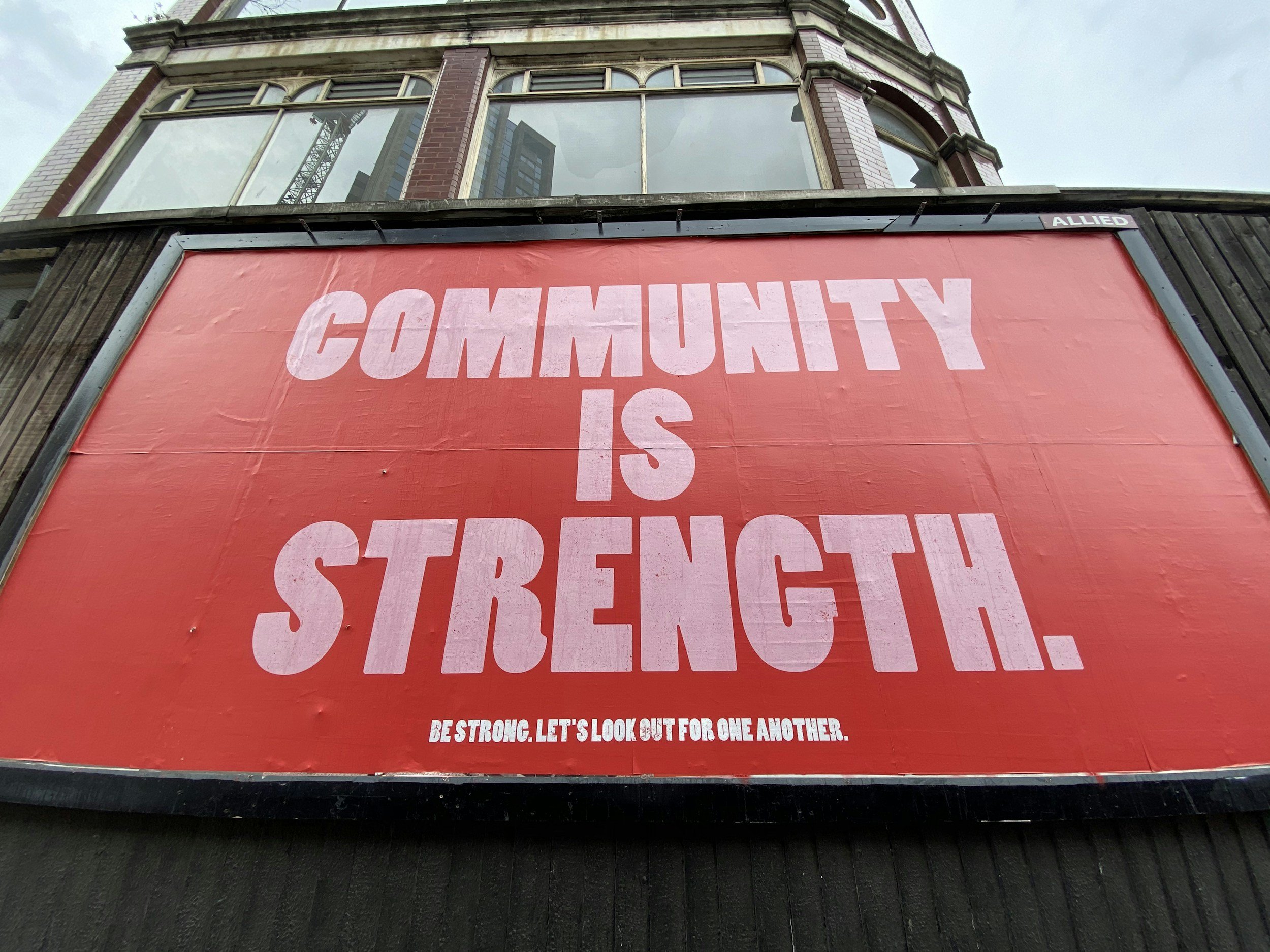
Image Provided by Squarespace Free Images
Concept of a “Third place”
The concept of a “third place” was coined by sociologist Ray Oldenburg in his book The Great Good Place. Oldenburg described third spaces as the environments that exist outside of our homes (the first place) and workplaces or schools (the second place). These are the cafés, parks, libraries, barbershops, and community centers, where people gather informally, not out of obligation but out of a shared desire to connect, unwind, and simply exist alongside others.
In an increasingly fast-paced and digitally mediated world, these spaces are becoming both more valuable and more rare. Third spaces provide something productivity-driven environments and online interactions lack: a genuine sense of belonging built through casual conversation, familiar faces, and shared community presence.
Why Third Spaces Matter For Personal Wellbeing
Third spaces support mental and emotional health in several ways. It can 1) reduce loneliness, 2) support nervous system regulation, and 3) encourage identity formation beyond productivity.
In an era where loneliness is increasingly discussed as a public health concern, these spaces provide low-pressure social contact that is unlikely to drain social battery. In fact, these sorts of interactions help fulfill our fundamental human instinct for connection.
Human beings regulate emotionally through co-regulation, or in other words, being around other people. Third spaces allow for shared laughter, conversation, and ambient social presence — all of which help people feel safer and more grounded without the distractions formed by our lives outside of these spaces.
Many modern environments revolve around output and performance. Third spaces encourage people to exist as neighbors, friends, and community members — not just workers or consumers.
The Role of Third Spaces in Community Health
Third spaces are not only good for individuals, they strengthen communities by 1) building social trust, 2) encouraging cultural exchange, and 3) promoting grassroots support systems.
Regular interaction builds familiarity and trust among people who might otherwise remain strangers. This helps strengthen neighborhood safety, civic engagement, and social cooperation. In this way, third spaces do more than provide places to gather. They help weave the social fabric that allows communities to function with empathy, cooperation, and shared social responsibility.
Third spaces also serve as important sites for cultural exchange. In these informal settings, conversations and shared activities allow people to exchange perspectives, traditions, and ideas in ways that feel natural and unstructured. Over time, these interactions create a deeper understanding across differences.
Through regular interaction, individuals become more aware of their neighbors’ needs and are more likely to offer help, share resources, or organize around community concerns. These everyday connections can evolve into systems of mutual support that strengthen a community’s resilience during both ordinary moments and times of crisis.
Reclaiming and Creating Third Spaces
As many traditional third spaces disappear due to rising costs, urban development, and increasingly digital lifestyles, there is a growing need to intentionally reclaim and create environments where people can gather and connect. While broader changes in city planning and policy matter, individuals and communities also play an important role in sustaining these spaces.
Support local businesses such as cafés, bookstores, and neighborhood restaurants.
Utilize public spaces like parks and libraries.
Participate in social activities such as book clubs, walking groups, community gardens, and neighborhood events — even small traditions with one or a few friends like meeting for coffee or game night.
Reclaiming third spaces ultimately means recognizing that time spent building community is valuable for personal and communal wellbeing.
Spaces like Quil Studios demonstrate how the concept of third spaces can take shape in new ways. By bringing together a collective of wellness professionals with diverse practices and perspectives, the studio creates opportunities for clients to engage not only in individual care but also in shared experiences and community connection. If you are a wellness practitioner looking for a place to grow your business, consider making Quil Studios your professional home. Together, we can cultivate a modern third space where care, creativity, and community come together for both practitioners and clients.
